
Unlock Your Future: How the NVQ Diploma in Beauty Therapy General Boosts Your Career
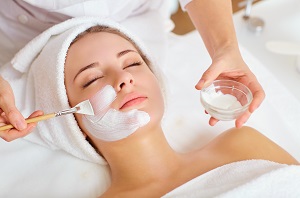
The NVQ Diploma in Beauty Therapy General offers comprehensive, industry-recognized training, boosting skills, career advancement, and earning potential with expert support at Beautiful World Training Academy.
Unlock Your Future with the ProQual Diploma in Pathway to Aesthetic Practice

The ProQual Diploma at Beautiful World Training Academy offers comprehensive, hands-on training in skin science and advanced aesthetic treatments, providing a recognized qualification that boosts career prospects in the beauty industry.
CPD Courses vs Ofqual Regulated Courses: Unravelling Aesthetics Education and Regulation in the UK
The ever-evolving landscape of aesthetic practice demands that practitioners continuously upscale their knowledge and skills. Main routes to achieving this are Continuous Professional Development (CPD) courses and Ofqual regulated courses. However, as the industry remains unregulated, the quality and credibility of many available courses come into question. Today, we will delve deeper into the distinction between CPD and Ofqual regulated courses, punctuated by the impending government plans to regulate aesthetic practice. What are CPD Courses? CPD stands for Continuous Professional Development, which encourages learning to ensure practitioners can confidently and effectively deal with the ever-changing demands of their field, such as aesthetic practice. Although helpful, it’s important to mint the fact that CPD accreditation does not dictate the quality of the course or the educational provider. CPD is popular due to flexibility, affordability, and its capacity to cater to specific learning needs. What are Ofqual Regulated Courses? Ofqual (Office of Qualifications and Examinations Regulation) regulated qualifications maintain a certain standard of education and ensure consistency in quality. Ofqual regulates exams, qualifications and tests in England and vocational qualifications in Northern Ireland. The courses may be more comprehensive and are processed through an accredited Ofqual regulation awarding organisation. CPD vs Ofqual Regulated Courses While the CPD accreditation provides ample flexibility and specificity, it does not necessarily mean that the course is of high quality; it merely means the course meets the CPD’s defined learning objectives. On the contrary, Ofqual Regulated courses or qualifications endorse high standards of learning, as they are consistent, valid and benchmark their qualifications against a regulated framework. Regulation in Aesthetic Practice Although booming with popularity, the aesthetic industry notably remains unregulated in the UK. This means anyone, whatever their background or experience, can set up a business and carry out treatments with minimal training. The lack of regulation can lead to misleading representations of qualification levels and, consequently, risks for service consumers. The UK Government’s Plans to Regulate the Industry Recognising this flaw, the UK government is planning to revolutionise the field by introducing firm regulations in aesthetic practice. The Department of Health and Social Care in England has recently sought advice from Health Education England (HEE) to tackle the issue. The HEE has recommended a requirement for practitioners to achieve approved qualifications, thereby ensuring that customers are in safe, knowledgeable hands. The regulatory proposal is expected to incorporate a minimum qualification requirement for non-surgical treatments. This would protect consumers from substandard practitioners, raising the overall standard of the industry and providing reassurance to those seeking such treatments. For a system of aesthetic training that encompasses the highest standards of patient safety, practitioners are encouraged to seek credible, high-quality training programs. While CPD courses are useful for specific training, Ofqual regulated qualifications provide a comprehensive level of education, adhering to stringent guidelines and standardised learning objectives. To conclude, there are pros and cons for both CPD and Ofqual regulated courses. As the aesthetic practice industry awaits inevitable regulation, it is essential for aspiring aesthetic practitioners to research their training thoroughly to ensure quality education. Meanwhile, as consumers, we eagerly anticipate the government’s regulatory plans to ensure those providing treatments are indeed qualified to do so. We are hopeful about the promising developments in aesthetics education and anticipate a future with safer, more reliable solutions within the industry.
Discover the use of Polynucleotides in Aesthetic Practice
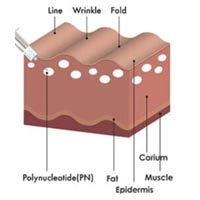
Polynucleotides in Aesthetic Practice: A Revolutionary Skincare Approach In the realm of aesthetic medicine, solutions to achieve a youthful glow are continually evolving. One such revolutionary approach that’s creating a buzz is the use of polynucleotides. Before delving into its benefits and comparison with hyaluronic acid-based product, let’s first understand what they are. Understanding Polynucleotides Polynucleotides (PN’s) are essentially long chains of nucleotides. Nucleotides are the building blocks of DNA and RNA, and they play a crucial role in cellular repair and regeneration. When applied in aesthetics, specifically in topical skincare products and injectables, they stimulate skin healing, hydration, and rejuvenation. Benefits of Polynucleotides in Aesthetic Practice One of the key benefits of polynucleotides is their hydrating effect. They are known for their excellent water-binding capacity, making them an ideal solution for dehydrated skin. Using PN’s in aesthetics also helps stimulate regeneration of the skin’s dermal structure. They accelerate the synthesis of collagen and elastin, leading to a reduction in fine lines and wrinkles, and improving skin elasticity and firmness. Moreover, they have anti-inflammatory properties which aids in reducing redness and skin inflammation, making them ideal for sensitive skin. Comparison with Hyaluronic Acid-based Products Hyaluronic acid has been a gold standard ingredient in aesthetic skincare for years. It’s known for its unparalleled ability to attract and retain moisture in the skin. While hyaluronic acid provides instant plumping and hydrating effects, PNs provide a more long term and sustainable effect. They not only hydrate but also repair and regenerate skin from within. This, in essence, means that PNs not only provide immediate visible results, they also contribution to lasting skin health. How to Use Polynucleotides in Aesthetics Polynucleotides can be applied topically, as a high-quality skincare product or through medical needling or injections performed by a trained aesthetician or cosmetic doctor. These procedures stimulate natural collagen and elastin production, leading to skin rejuvenation over time. Top Polynucleotide Products in the UK Market It’s worth noting that the efficacy of PN’s will significantly depend on the individual product. Below are some of the top PN products available in the UK market: Plinest stands out with its polynucleotides derived from trout fish. It addresses a broad spectrum of skin concerns, effectively targeting fine lines, wrinkles, volume loss, and is also suitable for sensitive skin. Plenist is beneficial in reducing acne scars, hyperpigmentation, and refining enlarged pores. Plenhyage utilises salmon-derived polynucleotides and is renowned for its hydrating properties, as well as its ability to improve lines, wrinkles, and provide a lifting effect. It is particularly effective for treating hollow eyes, dehydrated skin, and stretch marks. The treatment involves a series of four sessions, with results typically becoming visible three months after the course is completed. Nucleofill focuses on skin renewal and bio-restructuring derived from salmon DNA. It offers lifting, antioxidant, and moisturising benefits, stimulating cell renewal and collagen production. This makes it suitable for skin affected by oxidative stress, dehydration, stretch marks, and scars. Vitaran is a 100% quality-controlled polynucleotide injectable derived from purified salmon DNA. It is a bio-revitalising skin injectable with anti-inflammatory properties, stimulating the synthesis of collagen, elastin, and hyaluronic acid. Vitaran is particularly effective for skin rejuvenation and repair, scar improvement, and combating free radical damage. In conclusion, the use of polynucleotides in aesthetics is a game-changer, combining the benefits of immediate and long-term skin enhancement. As with any skin treatment, it’s vital to consult with a professional aesthetician before introducing them into your skincare regimen. Please note that while purchasing aesthetic products online, it’s vitally important to ensure the credibility of suppliers. Always go to trusted platforms and read reviews before making a purchase. For aesthetic treatments that involve injections, it is strongly advised to consult with a professional aesthetician or cosmetic doctor. Ensure these are administered by trained personnel in a clinical setting to guarantee safety and efficacy.
The Ultimate Guide to Beauty Training in the UK

The beauty industry in the UK is a dynamic and flourishing field, presenting a wide array of opportunities for individuals passionate about beauty, wellness, and personal care. With the growing demand for professional beauty services, pursuing a career in this industry is more appealing than ever. This guide serves as an all-encompassing resource for all you need to know about beauty training in the UK. Understanding Beauty Training Beauty training offers a diverse range of courses and qualifications aimed at equipping aspiring beauty professionals with the essential skills and knowledge required to excel in the industry. From skincare and makeup to hairdressing and nail art, beauty training encompasses various specializations, each offering different career paths. Types of Beauty Courses 1. NVQs and SVQs: National Vocational Qualifications (NVQs) and Scottish Vocational Qualifications (SVQs) are practical awards that signify competence in various beauty therapy domains. 2. Diplomas and Certificates: These are offered across a spectrum of areas including beauty therapy, makeup artistry, nail technology, and more, catering to both beginners and those seeking advanced expertise. 3. Apprenticeships: These programs blend on-the-job training with academic study, allowing participants to gain qualifications while working. 4. Short Courses and Workshops: Perfect for professionals aiming to update their skills or specialize in areas like advanced makeup techniques, aesthetic treatments, or holistic therapies. Top Institutions for Beauty Training in the UK The UK is home to numerous esteemed beauty schools and colleges renowned for their exemplary training and modern facilities. Notable among them are: London College of Beauty Therapy (LCBT) The Beauty Academy Ray Cochrane Beauty School Delamar Academy (specializing in makeup) British Beauty Academy Beautiful World Training Academy: A distinguished institution offering a broad spectrum of beauty courses designed to cater to the evolving needs of the beauty industry. With a focus on excellence and innovation, Beautiful World Training Academy equips students with the skills needed to thrive in various beauty careers. These institutions provide a comprehensive range of courses, from foundational to advanced levels, ensuring offerings for every aspirant, irrespective of their current skill set or career goals. Career Opportunities Graduating from a beauty training program opens up myriad career paths, including: Beauty Therapist Makeup Artist Nail Technician Aesthetician Spa Manager Beauty Educator Freelance Beauty Professional Choosing the Right Course Selecting a beauty course should be guided by your career objectives, area of interest, and desired qualification level. It’s also crucial to consider the institution’s reputation, facility quality, and the success rate of its alumni. Funding and Scholarships There are various funding options and scholarships available to help manage the costs associated with beauty training. These range from governmental loans and grants to private scholarships provided by educational institutions. Exploring all available financial support options is advisable. The Importance of Continuous Professional Development Given the beauty industry’s dynamic nature, continuous professional development (CPD) is vital for staying abreast of the latest trends, techniques, and technologies. CPD is essential for skill enhancement and maintaining a competitive edge in the industry. Conclusion Pursuing beauty training in the UK offers a gateway to a rewarding career filled with creativity and opportunities. With the right training, qualifications, and commitment, you can achieve a successful career in this vibrant industry. Whether your aspiration is to become a celebrated makeup artist, a proficient beauty therapist, or an inventive nail technician, the UK presents some of the finest training opportunities to realize your dreams. Embarking on this journey with institutions like Beautiful World Training Academy, known for their commitment to excellence and innovation, further ensures that you are well-prepared to make a significant impact in the beauty world. Remember, success in the beauty industry is not only about acquiring the right skills and qualifications but also about continually adapting to new trends and advancements. With passion, creativity, and ongoing learning, you can carve out your unique place in the beauty industry.