The Safest Way to Learn Dermal Fillers: Your 2026 Practitioner Guide
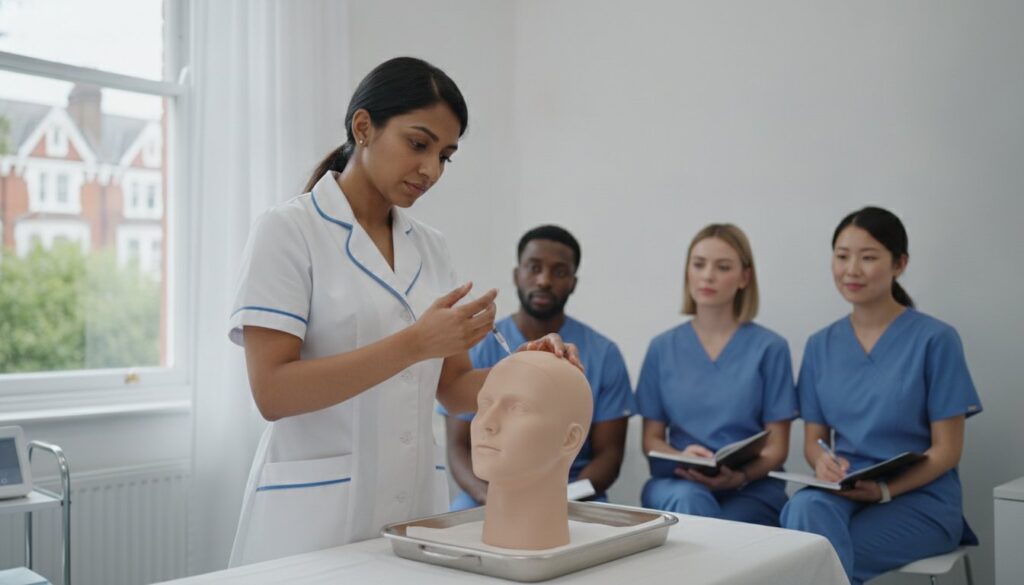
What if the secret to a thriving aesthetics career isn’t how quickly you can pick up a needle, but how confidently you can manage a complication?…
Dermapen Skin Needling Treatment: What Actually Happens to Your Skin
What Actually Happens in Dermapen Skin Needling Training Skin needling is one of the fastest-growing treatments in the beauty industry right now. Clients are actively searching for it, clinics are adding it to their treatment menus, and therapists who can offer it professionally are in real demand. If you have been thinking about adding Dermapen or micro needling to your skill set, this is the right time to do it. What Is Dermapen Skin Needling and Why Clients Are Booking It Before we get into the course itself, it helps to understand why this treatment has become so popular and why learning it makes good business sense. Dermapen and dermaroller treatments work by creating micro-punctures in the skin using fine needles. The skin responds by producing new collagen and elastin to repair those tiny channels. Over a series of sessions, clients see real improvements in acne scarring, fine lines, uneven texture, enlarged pores and dull skin. Results build over time and that means clients come back. Once someone sees what the treatment does to their skin, repeat bookings become completely normal. For any therapist running a business or working in a clinic, that kind of client retention is valuable. Why Dermapen Skin Needling Is Worth Adding to Your Treatment Menu Dermapen and dermaroller treatments work by creating micro-punctures in the skin using fine needles. The skin responds by producing new collagen and elastin. Over the course of sessions, clients see real improvements in acne scarring, fine lines, uneven texture and dull skin. Results build over time and that means clients come back. Once someone sees what the treatment does to their skin, repeat bookings become completely normal. For any therapist running a business or working in a clinic, that kind of client retention adds up quickly. What the Dermapen Skin Needling Training Course Covers This is a thorough one-day course. The theory element can be completed online before your attendance day so you arrive ready to focus entirely on the practical side. Here is what the course covers: Health and safety and hygiene protocols specific to skin needling. Client consultations and how to assess suitability. Contraindications and contraindications. Skin types and conditions that respond well to micro needling. Practical application of both dermaroller and dermapen to the face using 0.5mm and 1.0mm rollers. Full aftercare guidance for clients. Insurance requirements, clinical waste protocols and pricing guidance so you know what to charge from day one. By the end of the day you understand the treatment from every angle, not just how to hold the device. CPD Accreditation and Insurance The course carries 5 CPD points and is fully CPD-accredited. Once qualified, the course is insurable with providers including Insync, Digital Risk and Pro-Beauty, subject to their individual criteria. A qualification you cannot insure against is one you cannot use professionally. Making sure your certificate is recognised by insurers before you book any course is something every therapist should check first. Entry Requirements for the Skin Needling Course You need to hold a minimum of NVQ Level 3 in Beauty Therapy or above. Therapists qualified in microblading or micropigmentation are also eligible, as are doctors, nurses and dentists. You must be 18 or over and bring proof of your qualifications on the day. If you are still working toward your Level 3, you can explore the NVQ Level 3 Beauty Therapy course at Beautiful World Training Academy first and come back to the needling course once that foundation is in place. What You Can Earn After Qualifying Once you hold your CPD certificate, skin needling goes straight onto your treatment menu. Most therapists charge between £80 and £150 per session depending on the area and serums used. Clients typically book a course of four to six sessions, so the income from a single returning client adds up fast. Skin needling also sits naturally alongside chemical peels, advanced facials and aesthetic treatments. Many practitioners use it as the bridge between standard beauty therapy and medical aesthetics. If that progression appeals to you, it is worth looking at the full range of advanced aesthetics courses at Beautiful World Training Academy to plan your next step. Enroll in the Dermapen Skin Needling Course at Beautiful World Training Academy Beautiful World Training Academy runs this course from its Hounslow location at 648 Hanworth Road TW4 5NP and from Whitton, Twickenham at 107 High Street TW2 7LD. Both centres are accessible from across West London including Richmond, Ealing and Chiswick. Class sizes are kept small deliberately so every student gets proper time with the tutor and models. All products required on the day are included in the price. Spaces fill up quickly so the sooner you enquire the better. FAQs Do I need previous experience to join the Dermapen training course? Yes. You need a minimum of NVQ Level 3 in Beauty Therapy, a microblading or micropigmentation qualification, or be a medical professional. Proof of qualification is required on the day. Is the course CPD accredited? Yes. It carries 5 CPD points and is insurable with Insync, Digital Risk and Pro-Beauty subject to their criteria. Are payment plans available? Yes. Instalment options are available so you do not need to pay the full fee upfront. Contact the academy directly for current options. Can I get insured after completing this course? Yes. The qualification is insurable with providers including Insync, Digital Risk and Pro-Beauty, subject to each insurer’s own criteria. The academy team can advise you on what you need.
How to Handle Difficult Beauty Clients: Professional Communication Training for Practitioners

Professional communication is not just customer service; it is a critical safety protocol and a form of practitioner insurance. You likely entered…
Level 7 Aesthetics Exam Difficulty: A Realistic Guide for 2026 Practitioners

The Level 7 aesthetics exam isn’t just a test of how well you can memorise a textbook; it’s a rigorous assessment of your ability to think and act…
Common Mistakes in Chemical Peels: A Practitioner’s Guide to Safe Skin Resurfacing
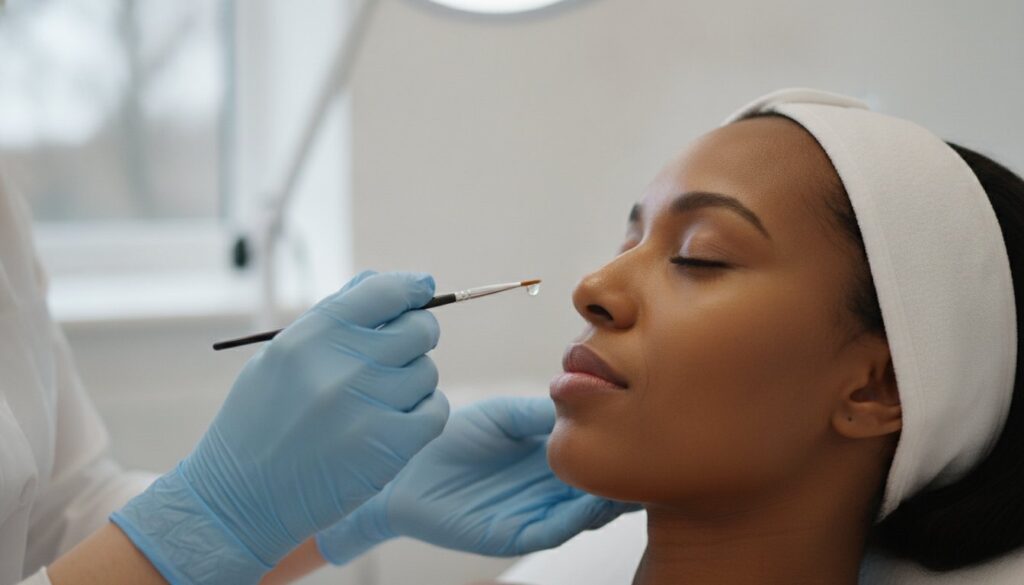
The most devastating outcomes in skin resurfacing rarely stem from a shaky hand during application; they almost always start with a failure to assess…
Can I Get Insured for Fat Dissolving Injections in the UK? Your 2026 Guide

What if the biggest hurdle to growing your aesthetics practice isn’t your needle technique, but your insurance policy? As the UK moves into a new era…
What If I Fail My NVQ Beauty Assessment? Your 2026 Guide to Re-sits and Success
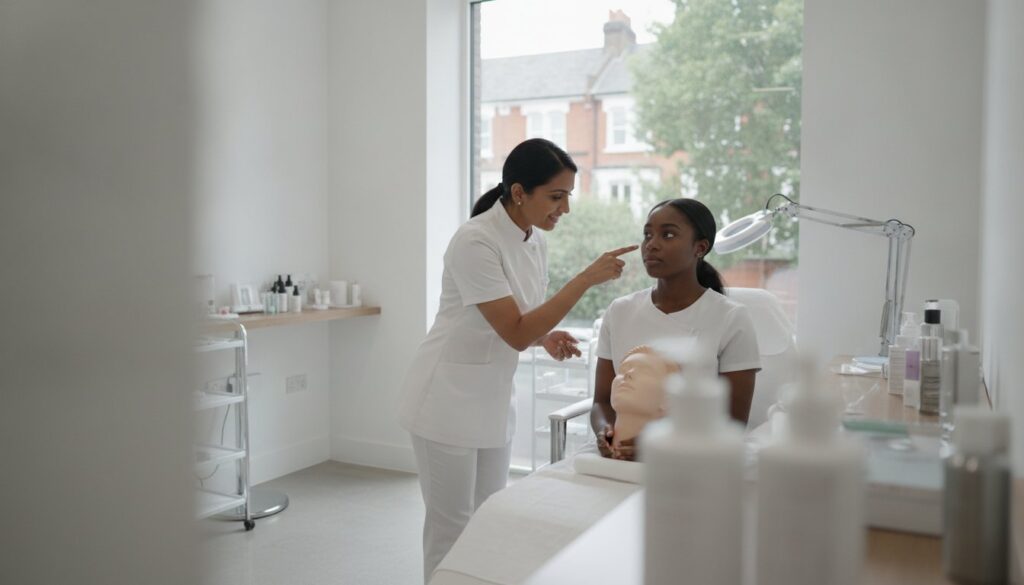
What if the words “Not Yet Competent” weren’t a sign of failure, but a strategic pause on your way to becoming a master therapist? If you are…
Complications from Fillers Training Course: Mastering Aesthetic Safety in 2026
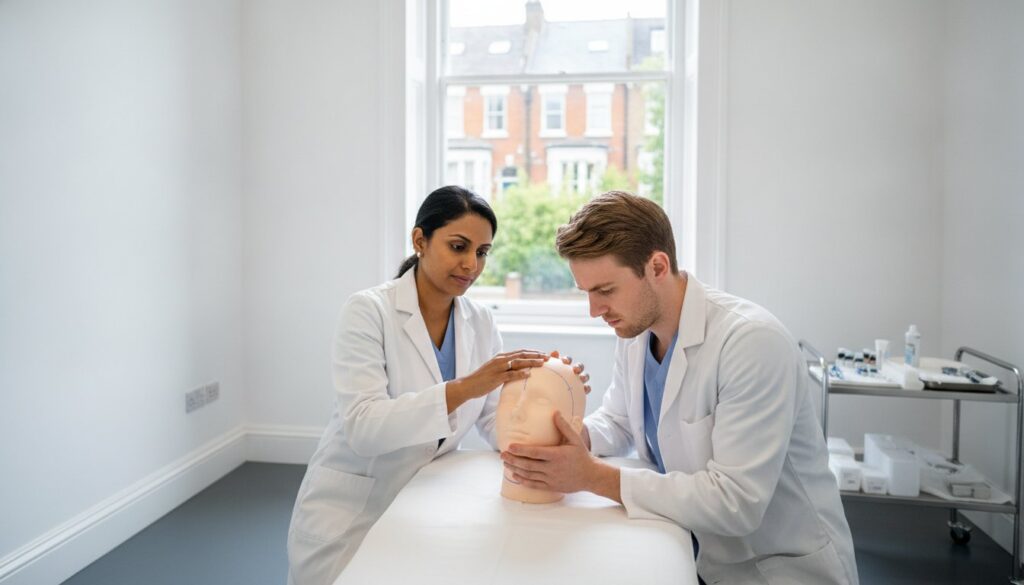
While the incidence of impending necrosis is estimated at just 0.001%, that statistic feels like 100% when you’re the one holding the syringe. You’ve…
Mastering Safety: Avoiding Vascular Occlusion Training for Aesthetic Practitioners (2026)
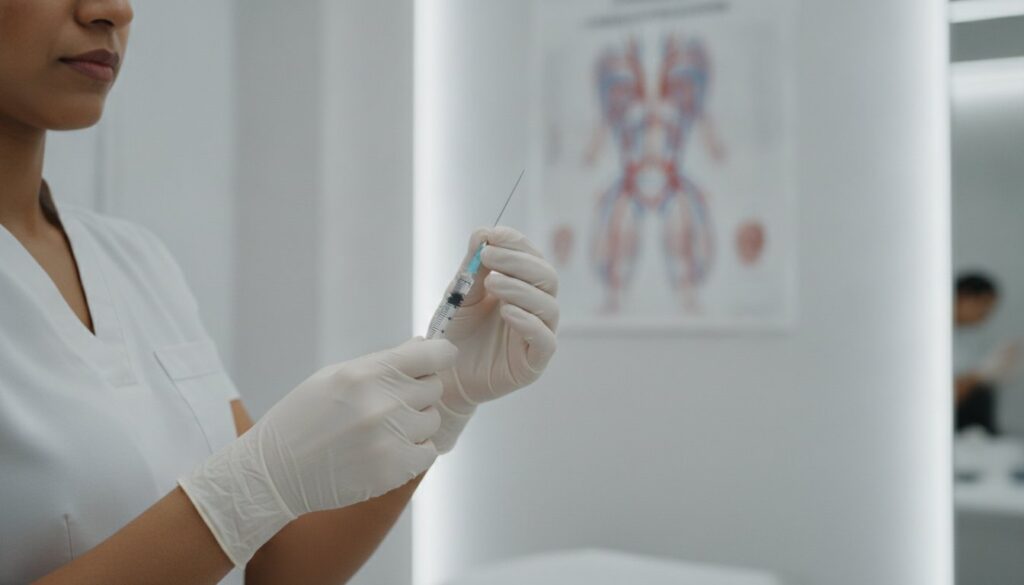
What if the secret to complication-free injecting isn’t just knowing where the vessels are, but mastering the clinical rhythm that stops a crisis…
Fast Track Beauty Qualification London: Your Accredited 2026 Career Guide
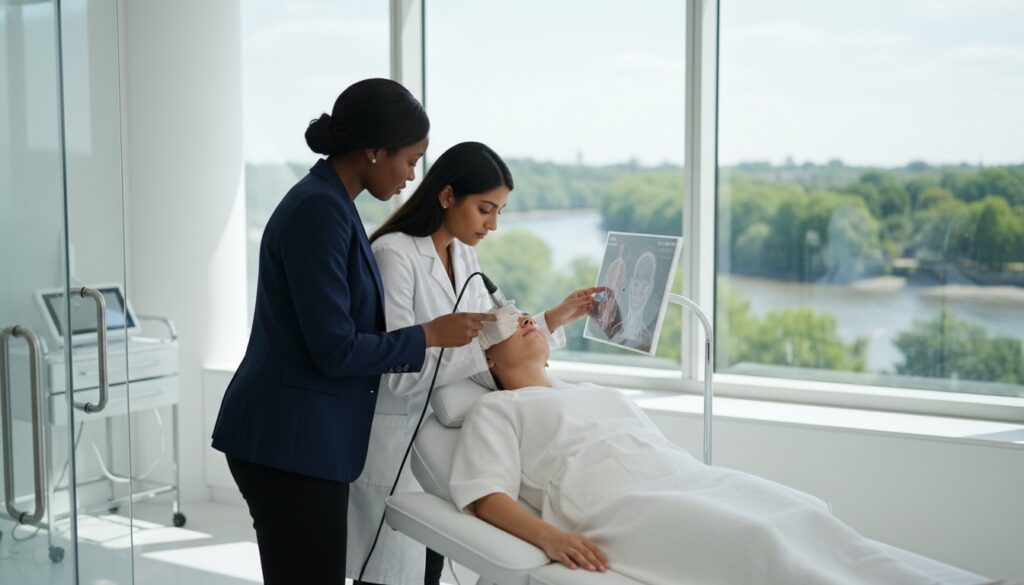
The UK beauty industry is no longer an unregulated frontier; as of July 2026, new legislation mandates that every practitioner must be accredited and…