
Why Small Class Sizes Matter in Beauty and Aesthetics Education
Small class sizes in beauty education do more than just reduce numbers—they reshape how you learn. With fewer students, your tutor can offer personalised learning that matches your pace and style. This approach makes aesthetics training more hands-on, supportive, and effective. Explore how our beauty courses create the perfect environment for your skills to flourish. Discover more here.
Importance of Small Class Sizes

Small class sizes make a big difference in how you learn. When classes are smaller, you get more focus on your personal learning needs. This means more tailored support, helping you grow your skills quicker and more effectively.
Personalised Attention
With fewer students, tutors can focus on your unique learning style. This means you get immediate feedback and help when you need it. Imagine a class where your questions are answered right away, allowing you to grasp concepts faster. Most people think larger classes offer diversity, but the truth is, small classes provide a richer learning experience through individual focus.
Enhanced Student Engagement
In smaller groups, you’re more likely to participate and engage. This isn’t just about attending; it’s about being involved. Engaged students learn better and retain more information. You might think that being in a large class will motivate you through competition, but smaller classes create a supportive environment where you feel more confident to express ideas.
Benefits in Beauty Education
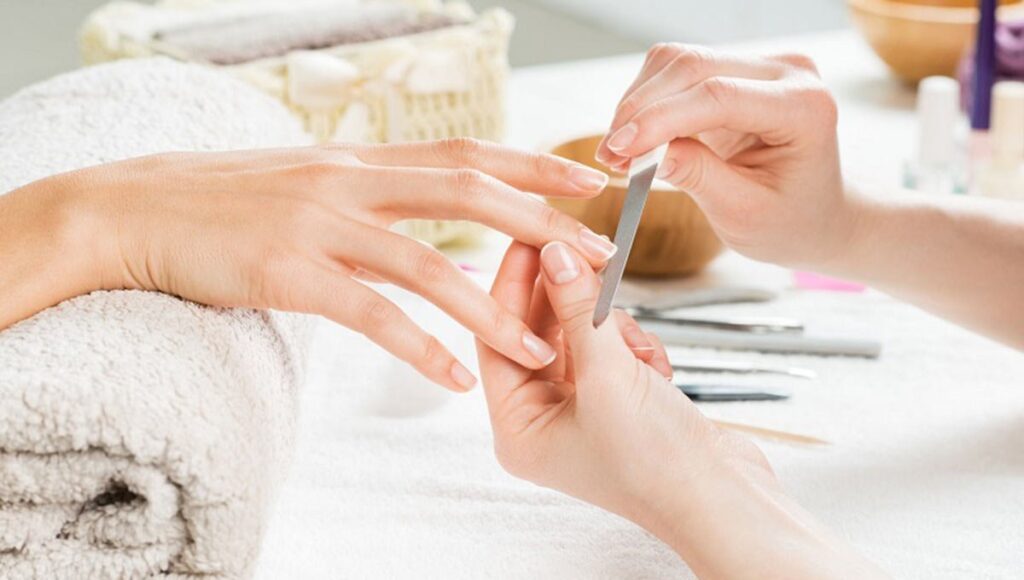
In the beauty industry, hands-on practice is crucial. Small classes provide more chances to apply what you’ve learned. This practical approach ensures you’re ready for real-world challenges.
Practical Learning Opportunities
Hands-on practice is vital in beauty education. Smaller class sizes mean you get more opportunities to work directly with equipment and materials. This hands-on experience is invaluable, as it allows you to apply what you learn and refine your skills. Most people think theory is enough, but practical experience is where true learning happens.
Stronger Student-Teacher Relationships
A smaller class fosters better relationships with your instructors. You gain a mentor who understands your goals and challenges. This bond supports your learning journey, making it more personal and effective. You might expect a formal relationship, but the truth is, small classes create a partnership in learning.
Aesthetics Training Advantages

In aesthetics training, detailed attention to skill development is key. Small classes ensure that your training is comprehensive and customised to fit your needs.
Tailored Skill Development
Every student’s journey in aesthetics is different. Smaller classes allow for training that adapts to your pace and strengths. This tailored approach means you develop skills that are uniquely yours, giving you a competitive edge in the beauty industry.
Supportive Learning Environment
Feeling supported is crucial when learning new skills. Small classes foster a nurturing atmosphere where you feel encouraged and motivated. This environment boosts your confidence and helps you succeed. The longer you wait to embrace this, the more opportunities you miss for personal growth.
Explore our beauty courses today and experience personalised learning! 🌟
For more insights on the benefits of small class sizes, check out this article.
What small classes mean in practice on our courses
On the foundation injectable courses the practical day is built around live models, and you inject between three and five model patients under the supervision of an aesthetic tutor. The course information is explicit that small group sizes are what make that possible: they guarantee extensive, hands-on and focused injectable training. In a large group, that ratio is not achievable, and the difference shows up in your first month of treating real clients.
The same principle applies to the beauty therapy qualifications, which are delivered through hands-on training and supervised treatments with clients in a salon setting. Supervision is the whole point. You are learning to work on people, and the only way to learn it is with someone experienced watching and correcting as you go.
Why it matters more in aesthetics than in most training
Aesthetics is unforgiving of small errors. Depth, angle, product placement and the recognition of an adverse reaction are all judgement calls made in real time, and they cannot be learned from a video. On our CPD courses, handling adverse reactions is a taught module in its own right, across skin needling, chemical peeling, dermaplaning and the injectable foundation courses.
You need to have seen a tutor respond to a complication, and you need to have been corrected on your own technique while it was still safe to be corrected. That is a function of how many learners are in the room.
What to ask any provider
Ask how many learners will be in your group, how many models you will each work on, and who supervises the practical session. Ask what happens if you need more practice than the scheduled day allows, and whether that costs extra. Ask whether the tutor assessing you is the same person teaching you, and what qualifications they hold. On our courses the teaching and assessment is carried out by experienced tutors and assessors, and support continues after the course ends.
If a provider cannot answer those questions precisely, the class size is probably not the thing you should be worrying about.